
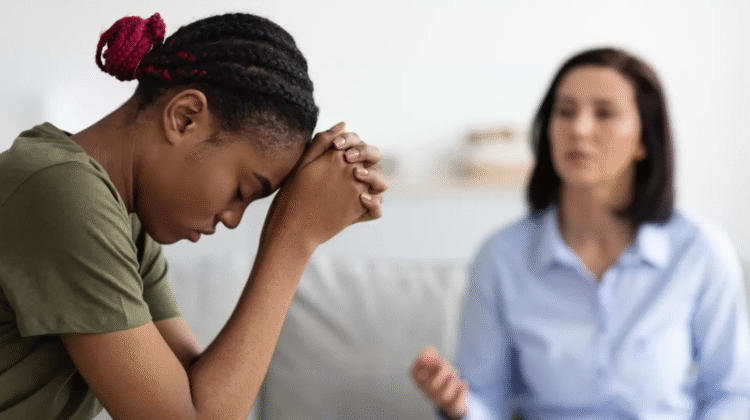
Mental Health Tips for Stress and Anxiety: Simple Ways to Feel Calm and Balanced
Stress and anxiety are very common in today’s fast-paced world. Work pressure, family responsibilities, financial worries, social media, and uncertainty about the future can all affect our mental health. Feeling stressed or anxious from time to time is normal, but when these feelings stay for a long time, they can disturb sleep, focus, relationships, and overall happiness.
The good news is that there are many simple and effective mental health tips for stress and anxiety that anyone can practice in daily life. You do not need to change everything at once. Small steps, done regularly, can make a big difference. This article explains stress and anxiety in an easy way and shares practical tips to help you feel calmer, stronger, and more in control.
Understanding Stress and Anxiety
Stress is the body’s natural reaction to challenges or demands. It can come from work deadlines, exams, health issues, or personal problems. Stress is not always bad. Sometimes it motivates us to act or solve problems. However, long-term stress can harm both mental and physical health.
Anxiety is a feeling of fear, worry, or nervousness that does not easily go away. It often involves overthinking, racing thoughts, or imagining worst-case scenarios. Anxiety can happen even when there is no real danger. People with anxiety may feel restless, tired, or unable to relax.
Knowing the difference between normal stress and ongoing anxiety is important. When these feelings start controlling your life, it is time to focus on mental health care.
Why Mental Health Matters
Mental health affects how we think, feel, and act every day. When mental health is ignored, stress and anxiety can grow stronger. This may lead to headaches, stomach problems, poor sleep, mood swings, or lack of motivation.
Taking care of mental health does not mean you are weak. It means you are responsible and self-aware. Just like we care for our body, we must also care for our mind.
Mental Health Tips for Stress and Anxiety
Below are simple and practical tips that can help reduce stress and anxiety naturally.
1. Practice Deep Breathing
Deep breathing is one of the fastest ways to calm the mind. When you feel anxious, your breathing becomes shallow and fast. Deep breathing sends a signal to your brain that you are safe.
Try this:
- Sit comfortably
- Breathe in slowly through your nose for 4 seconds
- Hold for 4 seconds
- Breathe out slowly through your mouth for 6 seconds
Repeat this for a few minutes.
Doing this daily can reduce anxiety and improve focus.
2. Create a Healthy Daily Routine
A simple routine gives your mind a sense of control and stability. Wake up and sleep at the same time every day. Plan meals, work, and rest time.
A balanced routine helps reduce uncertainty, which is a major cause of anxiety. Even small habits like morning stretching or evening walks can improve mental health.
3. Limit Negative Information
Watching too much negative news or spending long hours on social media can increase stress and fear. While it is good to stay informed, constant exposure to bad news can overwhelm the mind.
Set limits:
- Check news once or twice a day
- Reduce social media time
- Follow positive and inspiring content
Protecting your mental space is very important.
4. Take Care of Your Body
Mental health and physical health are closely connected. What you eat, how you move, and how you sleep all affect stress and anxiety levels.
- Eat regular, healthy meals
- Drink enough water
- Exercise at least 20–30 minutes a day
- Get 7–8 hours of sleep
Even light exercise like walking or stretching can release stress hormones and improve mood.
5. Express Your Feelings
Keeping emotions inside can increase anxiety. Talk to someone you trust, such as a friend, family member, or partner. Sharing your feelings helps you feel lighter and understood.
If talking feels hard, try writing in a journal. Write about your thoughts, fears, and hopes without judging yourself. This helps clear the mind and reduce emotional pressure.
6. Practice Mindfulness and Meditation
Mindfulness means paying attention to the present moment without worry about the past or future. Meditation helps calm racing thoughts and improve emotional control.
You can start with just 5 minutes a day. Sit quietly, focus on your breath, and gently bring your attention back when your mind wanders. Over time, mindfulness can reduce anxiety and improve mental strength.
7. Learn to Say No
Many people feel stressed because they take on too many responsibilities. Saying yes to everything can lead to burnout.
It is okay to say no when you feel overwhelmed. Setting healthy boundaries protects your mental health and saves energy for what truly matters.
8. Do Things You Enjoy
Making time for hobbies is not a waste of time. Doing things you enjoy, such as reading, painting, listening to music, gardening, or cooking, helps relax the mind.
Joyful activities reduce stress hormones and bring a sense of peace and satisfaction.
9. Avoid Perfectionism
Trying to be perfect in everything increases anxiety. Mistakes are part of being human. Accept that you cannot control everything.
Focus on progress, not perfection. Be kind to yourself and celebrate small achievements.
10. Seek Professional Help When Needed
If stress and anxiety feel overwhelming or last for a long time, talking to a mental health professional can help. Therapists and counselors are trained to guide you through difficult emotions.
Asking for help is a sign of strength, not weakness.
Building Long-Term Mental Strength
Mental health improvement takes time. Be patient with yourself. Some days will be better than others, and that is okay. Consistency matters more than perfection.
By practicing these mental health tips for stress and anxiety regularly, you can build emotional strength, improve self-confidence, and enjoy life more fully.
Frequently Asked Questions (FAQs)
1. What are the main causes of stress and anxiety?
Stress and anxiety can be caused by work pressure, financial problems, relationship issues, health concerns, lack of sleep, and constant exposure to negative information.
2. Can stress and anxiety go away on their own?
Mild stress may go away with rest, but long-term anxiety usually needs attention and healthy coping strategies to improve.
3. How long does it take to feel better?
Everyone is different. Some people feel better in a few weeks, while others may take longer. Regular practice of mental health tips helps speed recovery.
4. Are natural methods effective for anxiety?
Yes, deep breathing, exercise, mindfulness, healthy routines, and emotional support can significantly reduce anxiety for many people.
5. When should I see a mental health professional?
If stress or anxiety affects daily life, sleep, work, or relationships, or causes panic attacks, it is best to seek professional help.
Final Thoughts
Taking care of your mental health is one of the most important investments you can make in yourself. Stress and anxiety do not define who you are. With simple habits, self-care, and support, you can create a calmer and healthier mind.